Asymmetric Design · 2–10 Players

One-versus-many and hidden roles

Symmetric games test who executes identical rules fastest. Asymmetric games give friends mismatched toolkits, blind spots, and secret knowledge—turning group observation and communication into the central game.

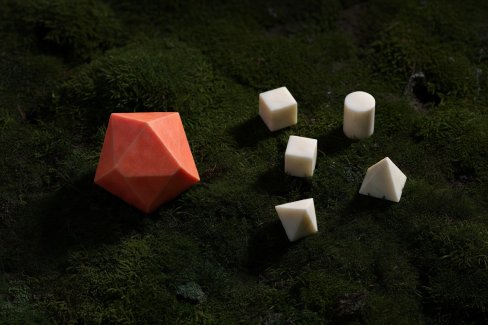
One central coral geometric figure opposite four smaller ivory tokens on dark moss
01 — Cooperative Information Splits

When one player holds the controls and everyone else holds the manual

Asymmetry does not require players to fight one another. Cooperative information-split games divide sensory reality between friends so verbal clarity becomes the entire challenge.

Keep Talking and Nobody Explodes illustrates this structure cleanly for two to six friends in one room or on one voice call. Only one person looks at the screen—facing a ticking briefcase crowded with wires, glyphs, and keypads—while everyone else reads a printed or PDF defusal manual without ever glimpsing the bomb. Nobody wins through quick reflexes alone; you win by learning how to describe strange symbols concisely under pressure while teammates narrow down the exact paragraph.

02 — One-Versus-Many Hunts

Rotating the solo seat so nobody feels isolated

In one-versus-four formats such as custom lobbies of Dead by Daylight, four survivors cooperate to repair generators and open exit gates while one friend hunts them using first-person sightlines and unique power kits. Playing with four friends in a custom lobby removes random matchmaking hostility and turns every close chase into a shared laugh once the round ends.

The key to enjoying one-versus-many in a regular group is rotating the solo role every round or two. Playing the lone hunter for an entire evening separates that person from the survivors' voice channel and places all the mechanical pressure on one seat. Swapping seats keeps skill levels balanced and gives everyone a turn feeling clever behind the hunter's perspective.

Subgenre Representative Title Group Size Source of Tension
Cooperative Info-Split Keep Talking and Nobody Explodes 2–6 players Describing visual modules against a shared clock
1-vs-4 Custom Hunt Dead by Daylight 5 players (custom match) Line-of-sight stealth vs. hunter tracking
Task & Traitor Deduction Among Us 5–10 players Alibis, task tracking, and emergency meetings
Asymmetric Board Strategy Root (Digital) 2–4 players Completely distinct faction rules on one map
03 — Hidden-Role Social Deduction

Keeping bluffing light and separating character from friend

Social deduction games such as Among Us place a small minority of secret impostors inside a larger crew trying to finish routine tasks. Because everyone moves silently between rooms during work phases—or mutes mics until a meeting bell rings—emergency discussions explode into overlapping alibis and half-remembered hallway sightings.

Veteran groups keep these nights enjoyable by setting gentle house rules before round one: keep accusations focused on in-game movements rather than personal tone, leave eliminated ghosts a quick channel or task list so nobody sits idle, and limit deduction streaks to sixty or ninety minutes before switching to a purely cooperative game so tension ends on a friendly note.

04 — Asymmetric Strategy on Shared Maps

Learning four games inside one box

Digital adaptations of tabletop strategy games—most famously Root—take asymmetry even deeper: four woodland factions share the same map while obeying incompatible rules for movement, scoring, and combat. One player builds sprawling workshops, another spreads underground sympathy tokens, and a third roams alone completing quests.

Because newcomers must understand not just their own faction but what the other three seats are trying to pull off, asymmetric strategy works best for a committed group of three or four friends willing to play the same title several times across a month rather than a drop-in Friday crowd.